Top 10 Electrical Breakers You Need for Your Projects?
When tackling electrical projects, choosing the right Electrical Breakers is crucial. These devices play a vital role in protecting circuits from overloads and short circuits. Without them, the risk of equipment damage and hazardous situations increases significantly.
In this guide, we will explore the top 10 Electrical Breakers essential for your projects. Every project has unique requirements, and selecting the right breaker can be challenging. It's not just about picking a brand; understanding the specifications and ratings is critical. Many users overlook this aspect, leading to insufficient protection or compatibility issues.
Your safety and the reliability of your electrical system depend on informed choices. The top Electrical Breakers featured here are tested and highly regarded. Their performance sets standards in the industry, but mistakes can happen. Reflect on your specific needs, as what works for one project may not suit another. Users should assess these recommendations carefully to ensure they are making the best decision possible.
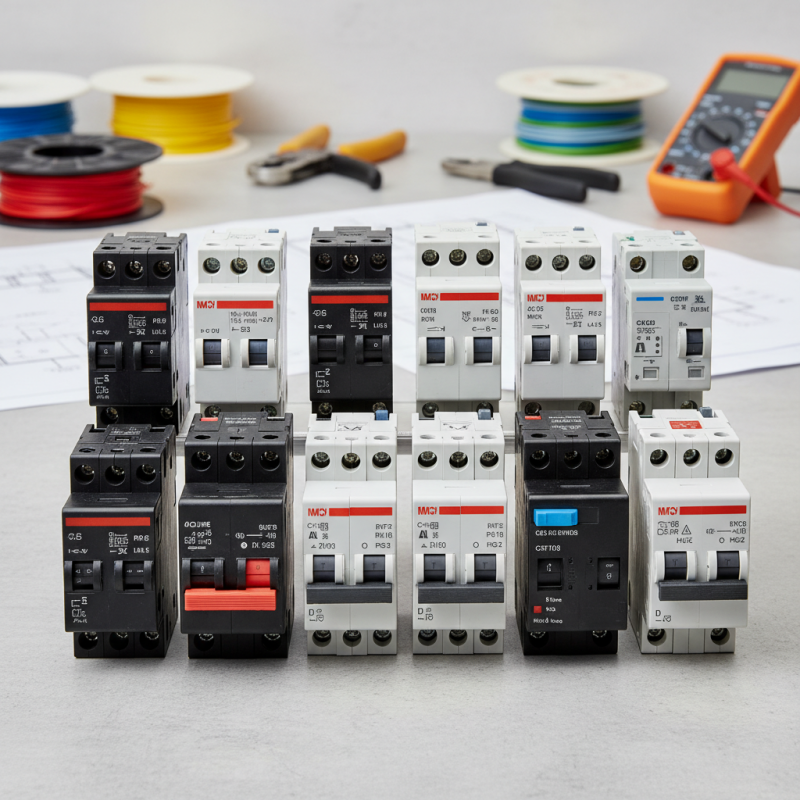
Understanding Electrical Breakers and Their Importance
Understanding electrical breakers is essential for anyone involved in construction or renovation. These devices protect electrical circuits from overload and short circuits. According to the National Fire Protection Association (NFPA), electrical failures and malfunctions accounted for roughly 13% of home structure fires in the United States in 2019. This highlights the critical role breakers play in enhancing safety.
A reliable electrical breaker must meet specific standards. The Underwriters Laboratories (UL) has established tests to ensure efficacy. Breakers should trip within a fraction of a second under fault conditions. However, not all installations live up to these expectations. A survey from the Electrical Safety Foundation International (ESFI) revealed that only 20% of homes regularly inspect their breakers. Regular maintenance and inspection are vital for optimal performance and safety.
Electrical systems are complex. Many users often underestimate the importance of proper breaker selection. Failing to choose the right type can lead to severe consequences. For instance, a standard breaker may not handle specific appliances, leading to failures. Awareness and education about breaker specifications are essential for any project.
Types of Electrical Breakers Commonly Used in Projects
When embarking on any electrical project, understanding the types of electrical breakers is crucial. Circuit breakers serve as the first line of defense against electrical overloads. The most common types include standard circuit breakers, which protect against current surges, and GFCI breakers that prevent ground faults. Each serves a distinct purpose, crucial for safety and effectiveness in your work.
Another essential type is the AFCI breaker. This breaker detects arc faults, preventing potential electrical fires caused by damaged wires. Many building codes now require these in residential constructs. It's also worth noting that not all breakers fit every situation; the wrong choice can lead to project failures or hazards. Recognizing each type's specific role can improve your project outcomes and safety measures. Opt for quality breakers that align with your project's needs.
Top 10 Recommended Electrical Breakers for Various Applications
When selecting electrical breakers for various applications, consider their functionality and reliability. A good electrical breaker stops the flow of electricity when there is an overload or fault. This is essential for safeguarding your projects. Each breaker has specific roles, making it vital to choose wisely. Not all breakers suit every project, and missteps can lead to failures.
In residential settings, consider dual function breakers. They provide ground fault protection, preventing electrical shocks. In industrial environments, you might need higher-rated breakers. These can manage larger loads. Each application has unique needs, and understanding those needs is key. Always assess your project requirements before purchasing.
Experiencing occasional downtime is common. Sometimes, breakers trip when they shouldn’t. It’s important to investigate these issues. Misconfigured or outdated units can be a source of frustration. Regular evaluation and updates can improve performance significantly. Quality should be a priority, as is understanding how different breakers operate in different conditions.
Factors to Consider When Choosing an Electrical Breaker
When selecting an electrical breaker, several factors demand attention. The voltage rating is critical. It determines the maximum voltage that the breaker can handle. Typically, domestic circuits use 120/240 volts, while industrial applications may require higher ratings. According to a report by the National Electrical Manufacturers Association (NEMA), malfunctioning breakers account for approximately 20% of electrical failures. Ensuring compatibility with your specific voltage is essential.
The breaker’s amperage is another vital factor. This rating indicates how much current the breaker can carry without tripping. Most residential settings utilize breakers between 15 to 30 amps. A circuit overload can lead to overheating and possible fire hazards. Studies show that about 60% of household electrical fires stem from overloaded circuits. Thus, choosing the correct amperage reduces risks significantly.
Lastly, consider the breaker type. Standard circuit breakers, GFCI, and AFCI breakers serve different purposes. GFCI breakers protect against ground faults in wet areas, while AFCI breakers help prevent electrical fires caused by arc faults. According to the U.S. Fire Administration, homes without AFCI breakers have a notably higher fire risk. Assess your project needs carefully to select the appropriate breaker type.
Installation and Maintenance Tips for Electrical Breakers
Installing electrical breakers requires careful attention to detail. Ensure the power is off before starting. Use insulated tools for safety. Place each breaker evenly in its panel space. Check for compatibility with the panel type. Every installation is different, so reading the manual is essential. When tightening screws, apply just the right amount of force. Too much pressure can damage components.
Maintenance is another crucial aspect. Regularly inspect your breakers for any signs of wear or overheating. Look for discoloration or strange smells. These can signal a problem. Testing the breakers periodically is a good practice. Ensure they trip correctly under load. Don’t ignore unusual noises. They often indicate underlying issues.
Document any maintenance or installation actions. This creates a reliable history for reference. Your notes help in troubleshooting future issues. If something feels off, don’t hesitate to consult a professional. Electrical systems are complex and should be treated with respect. Trust your instincts; safety should always come first.