How to Select the Right Control Cable for Your Applications?
Selecting the right control cable for your applications is crucial. It can impact performance, safety, and efficiency. Industry expert John Smith once stated, "Choosing the correct control cable can prevent costly downtime." His insights underline the importance of understanding your specific needs.
Control cables come in various types. Factors include cable construction, insulation, and environmental conditions. Engineers must consider voltage ratings, current capacity, and flexibility for installation. Each application may require a different approach. A mismatch can lead to failures.
The task is not always straightforward. Misjudgments can occur from overlooking critical specifications. Certain applications may expose cables to extreme temperatures or chemicals. Your choice should reflect both short-term needs and long-term reliability. The right control cable will foster optimal performance and enhance overall system effectiveness.
Understanding the Basics of Control Cables and Their Types
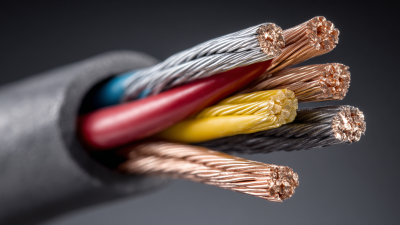
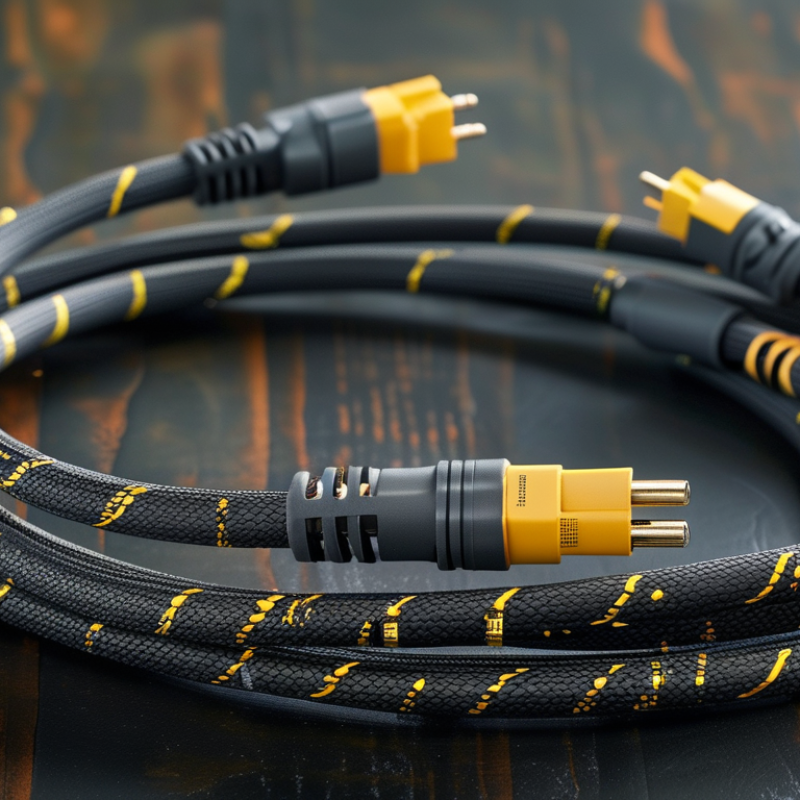
Control cables play a vital role in various applications, from industrial automation to consumer electronics. Understanding their types helps in making informed choices. There are several primary types of control cables, including unshielded, shielded, and twisted pair configurations. Unshielded cables are cost-effective but may be prone to interference in noisy environments. Meanwhile, shielded options offer superior protection against electromagnetic interference (EMI), crucial in maintaining signal integrity.
Data from industry reports indicate that shielded control cables can reduce signal loss by up to 35% in high-interference situations. Additionally, twisted pair cables are widely recognized for their effectiveness in data transmission over long distances. According to research from the International Electrotechnical Commission, using twisted pair configurations can significantly lower crosstalk and improve overall performance.
However, even with clear advantages, choosing the right cable can be challenging. Factors such as installation environment, distance, and required performance need consideration. An improperly selected cable may lead to operational failures or safety hazards. Reflecting on these aspects is essential for achieving optimal functionality.
Identifying Your Application Needs and Specifications
When selecting the right control cable, understanding your application needs is crucial. Consider the environment where the cable will be used. Is it indoors or outdoors? Will it be exposed to extreme temperatures or moisture? Each of these factors can significantly impact performance.
Next, think about the specific specifications required for your application. Voltage rating, current capacity, and insulation type are key elements. For instance, industrial applications may need cables with higher voltage ratings and superior shielding. Conversely, lighter applications may prioritize flexibility and maneuverability.
Sourcing accurate specifications can be challenging, as products vary widely, and not every choice is suitable for every scenario. Also, reflect on installation constraints. Length and routing can affect performance. A cable that's too long may result in voltage drop, while sharp bends can damage the insulation.
Ideally, consult technical resources or professionals before making a decision. This approach not only provides clarity but also enhances reliability in your chosen solution.
Key Factors in Selecting Control Cables: Temperature, Voltage, and Environment
When selecting control cables, three key factors come into play: temperature, voltage, and environment. Each factor influences cable performance and longevity. Temperature extremes can degrade insulation and affect current capacity. Cables rated for higher temperatures are often thicker. However, thicker cables can be more challenging to install in tight spaces.
Voltage ratings matter just as much. Cables must withstand the voltage levels they will encounter in applications. If a cable has a lower rating than required, it can lead to failures. It's crucial to match the voltage rating with system requirements. Using cables that can handle higher voltages can offer extra safety but may not always be a necessary choice.
The environment where cables will be installed is another critical consideration. Humidity, exposure to chemicals, and mechanical stress can all impact cable integrity. In harsh environments, selecting cables with protective coatings or reinforced sheathing may be essential. Not all environments are predictable. Relying on standard ratings alone can be risky. It's always wise to seek guidance from professionals with real-world experience in your specific application.
How to Select the Right Control Cable for Your Applications?
| Cable Type |
Temperature Rating |
Voltage Rating |
Environmental Protection |
| PVC Insulated Control Cable |
-10°C to 60°C |
0.6/1kV |
Indoor Use |
| XLPE Insulated Control Cable |
-40°C to 90°C |
0.6/1kV |
Outdoor Use |
| Low Smoke Zero Halogen (LSZH) Cable |
-20°C to 80°C |
0.6/1kV |
Low Smoke Environment |
| Silicone Rubber Insulated Cable |
-50°C to 180°C |
0.6/1kV |
Extreme Environments |
| Armored Control Cable |
-10°C to 70°C |
0.6/1kV |
Heavy Duty Applications |
Evaluating Cable Standards and Certifications for Quality Assurance
When selecting the right control cable, understanding standards and certifications is critical. These guidelines ensure quality and reliability in various applications. For instance,
UL (Underwriters Laboratories) and IEC (International Electrotechnical Commission) certifications are widely recognized.
A report from the Institute of Electrical and Electronics Engineers (IEEE) highlights that using certified cables can reduce failure rates by over 30%. This statistic underscores the importance of making informed choices.
Evaluation of cable standards is not just a technical requirement; it's a safeguard against risks. Many professionals overlook this aspect, focusing solely on cost.
However, opting for cables lacking certifications can lead to costly downtime and safety hazards. The National Fire Protection Association (NFPA) indicates that wiring failures contribute to
21% of industrial fires, reinforcing the need for compliance.
Tip: Always check for certifications before purchasing. Detailed specifications can reveal how the cable behaves under extreme conditions.
Learn about the installation environment to match cable characteristics accordingly. Selecting the right cable ensures longevity and effectiveness,
but skipping this step can lead to unpleasant surprises. Understand your specific application requirements to avoid potential failures.
Installation Considerations and Best Practices for Control Cables
When selecting a control cable, installation considerations are critical. The environment should dictate your choice. For instance, cables exposed to extreme temperatures or moisture need extra protection. Even minor elements can affect performance. Choosing the right insulation material is essential for durability.
A proper installation process can prevent headaches later. Ensure that the cable is routed away from potential sources of interference. Poor routing can lead to signal loss or erratic function. It's advisable to maintain adequate bend radii during installation to avoid damaging the wires inside. Regular inspections after installation can catch issues that might develop over time.
Consider the length of the cable run. Longer distances may require thicker cables to maintain signal integrity. It’s often overlooked, but the connection points should also be secure. Loose connections may create resistance, leading to overheating. Always double-check the specifications to avoid potential failures that might arise from mismatched components.