What is an Extrusion Press and How Does it Work?
Extrusion Presses play a critical role in manufacturing a wide array of materials. These machines shape materials like metal, plastic, and rubber through a process of forcing them through a die. According to the latest industry report, the global extrusion equipment market is expected to reach $10 billion by 2026. Extrusion presses are integral to various sectors including automotive, aerospace, and construction.
With their ability to create complex profiles and consistent shapes, extrusion presses improve production efficiency. However, it's essential to recognize that not all processes are seamless. Failures can occur due to improper setup or material inconsistencies, leading to waste and inefficiencies. As the demand for precision and quality increases, the importance of skilled operators and advanced technology becomes evident.
Continuous advancements in extrusion press technology contribute to better performance. Yet, the industry still faces challenges such as machine maintenance and energy consumption. Balancing efficiency with sustainability remains a key consideration. Understanding these dynamics is crucial for businesses aiming to leverage extrusion presses effectively.
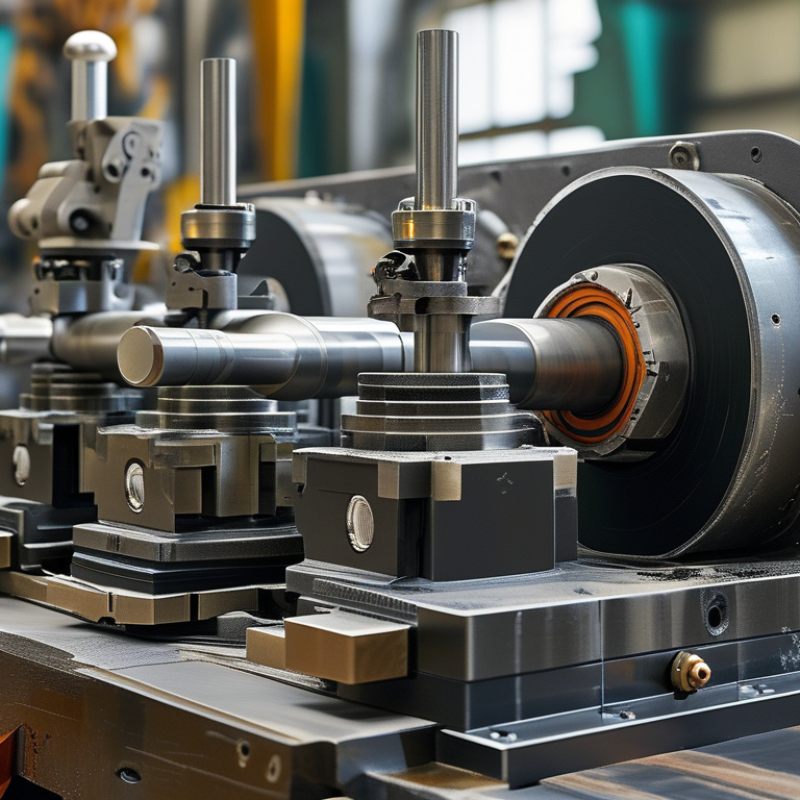
What is an Extrusion Press?
An extrusion press is a crucial piece of equipment in manufacturing. It shapes materials by forcing them through a mold. In this process, raw materials are heated and softened before being pushed through a die. This results in long shapes like tubes, bars, or sheets. According to a report by the International Journal of Manufacturing Technology, extrusion processes account for about 20% of all metal forming operations globally.
The versatility of extrusion presses enables manufacturers to use various materials. Aluminum, plastic, and even food products can be extruded. Each material requires specific settings. For example, aluminum needs a higher temperature than plastic. This flexibility makes extrusion presses valuable in industries, including construction and packaging.
Tip: Regular maintenance is essential for optimal performance. Check hydraulic systems and alignment periodically.
Improper use or maintenance can lead to issues. Overheating is a common concern that can affect product quality. Continuous monitoring of temperature and pressure is necessary. Make sure to follow guidelines specific to the material being used.
Tip: Record data during production runs to identify patterns and potential issues.
Understanding these machines allows companies to optimize production. Learning from past mistakes can improve efficiency and reduce waste. In this rapidly evolving field, staying informed is key to success.
The Basic Components of an Extrusion Press
An extrusion press is a vital piece of equipment used in manufacturing. Understanding its basic components can illuminate how it functions. An extrusion press consists of several key parts: the feeder, hydraulic system, heating elements, and the die. Each plays a specific role in the extrusion process.
The feeder is responsible for delivering raw materials into the press. It ensures a steady, controlled flow of material. The hydraulic system generates the pressure needed to push the material through the die. This pressure is crucial for shaping the material into the desired form. Meanwhile, the heating elements prepare the material by melting it, ensuring it can flow smoothly.
Die design is also important. The die shape determines the final product's dimensions. However, an improperly designed die can lead to defects, such as inconsistent thickness. Attention to detail is essential in this process. Small mistakes can have significant implications for product quality. Each component must work in harmony, and any malfunction can disrupt production, leading to wasted resources.
Extrusion Press Production Analysis
How the Extrusion Process Works Step by Step
The extrusion process is a fascinating method used in manufacturing various materials. It begins with raw materials like plastic or metal being fed into the extrusion press. This press applies intense pressure to the materials. As they are heated, they become pliable and ready to form shapes.
Following the initial feeding, the materials travel through a heated barrel. Here, they undergo melting. The temperature and pressure must be carefully controlled. If they are too high, the material may burn. If too low, they won’t flow properly. The next step is the die, a specialized tool that gives the material its final shape. The material passes through this die, emerging as a continuous length of the desired profile.
Once the extrudate exits the die, it enters a cooling phase. This cooling is also critical; it solidifies the shape. If the cooling is uneven, defects can occur. Adjustments often need to be made to avoid these issues. The entire process is intricate and demands precision. Operators must monitor various factors closely. Each step has the potential for error, emphasizing the need for skilled oversight in the extrusion process.
What is an Extrusion Press and How Does it Work? - How the Extrusion Process Works Step by Step
| Process Step | Description | Key Equipment | Material Types |
| Feeding | Material pellets are fed into the extruder. | Hopper | Plastic, Metal |
| Heating | Material is heated as it moves through the barrel. | Heating Elements | Plastic, Rubber |
| Melting | Material melts and becomes a viscous flow. | Extruder Screw | Plastic, Food |
| Extrusion | Melted material is forced through a die to form a shape. | Extrusion Die | Plastic, Metal |
| Cooling | Extruded material is cooled to solidify the shape. | Cooling Tank | Plastic, Wood |
| Cutting | Cooled extrusions are cut to the desired length. | Cutting Machine | Plastic, Composite |
Applications of Extrusion Press in Various Industries
Extrusion presses are crucial in various industries. They reshape materials by forcing them through a die. This method is widely used for metals, plastics, and food products. Each industry benefits uniquely from this technology.
In the automotive sector, extrusion presses shape aluminum for lightweight components. These parts improve fuel efficiency and reduce emissions. In the construction industry, they are used to create sturdy window frames and roofing materials. This process ensures consistency and durability in the final products.
Tips: Regular maintenance of extrusion presses is essential. Proper lubrication and inspection can prevent costly downtime. Also, training staff on effective operation can enhance productivity.
The food industry also utilizes this technology. Snack foods and pasta are produced using extrusion. This method ensures a uniform texture and flavor. However, achieving the right recipe takes testing and adjustment. Constant monitoring is required to maintain quality standards.
Tips: Keep track of ingredient ratios. Small changes can have significant effects on the final product. Documentation is vital for consistency.
Advantages and Disadvantages of Using Extrusion Presses
Extrusion presses play a vital role in material manufacturing, particularly in shaping metals and plastics. They apply immense pressure to push materials through a shaped die. This process creates products with specific cross-sectional profiles. However, the use of extrusion presses comes with both advantages and disadvantages that must be considered.
One significant advantage is the efficiency of the extrusion process. It allows for continuous production, which can save time and reduce labor costs. Moreover, it often results in minimal waste as material gets transformed without much surplus. However, drawbacks exist. The initial investment can be high. Setting up a large extrusion press requires a substantial amount of capital. Additionally, the process may limit the complexity of shapes that can be produced.
Tips for maximizing the benefits of an extrusion press include ensuring regular maintenance to prevent breakdowns. Regularly inspect the dies for signs of wear. This can help in maintaining product quality. Secondly, consider the materials' properties carefully. Some materials may not flow well under pressure, affecting production output.
In conclusion, understanding the pros and cons of extrusion presses is crucial. It can lead to more informed decisions in manufacturing processes. Reflecting on past experiences with these machines helps in identifying areas for improvement. This insight can lead to enhanced efficiency in operations.