How to Choose the Right 2 Core Cable for Your Needs?
Choosing the right 2 core cable is essential for various applications in electrical installations. According to industry reports, the demand for 2 core cables is expected to grow by 5% annually. These cables facilitate power transmission and signal integrity. Selecting the appropriate type can significantly impact performance and safety.
Several factors influence the choice of a 2 core cable. Material quality, conductor size, and insulation type are crucial. For instance, copper cables have better conductivity than aluminum, despite being costlier. A comprehensive understanding of these elements is essential for optimal performance. Analysts suggest that improper cable selection can lead to efficiency losses of up to 30%.
It's important to recognize that not every solution fits all needs. Users often overlook specific requirements, like environmental conditions or load capacity. Conducting a proper assessment before making a decision can prevent potential issues in the long run. Overall, making an informed choice will enhance reliability and safety in your electrical projects.
Understanding the Basics of 2 Core Cables and Their Applications
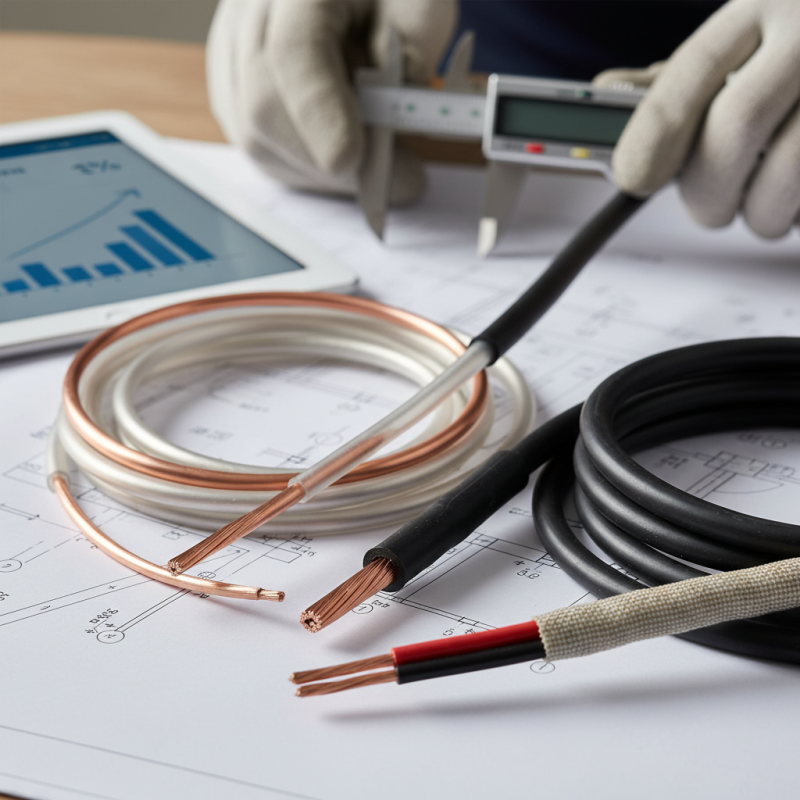
When selecting a 2 core cable, understanding its basic characteristics is essential. These cables typically consist of two conductors, making them suitable for various applications. Common uses include power transmission and connecting electrical devices. The choice of material, such as copper or aluminum, affects conductivity and durability. Copper offers superior performance, but aluminum is lighter and cost-effective.
Consider the cable's insulation and rating. Insulation types include PVC and XLPE, which provide varying levels of protection against environmental factors. Each application demands specific ratings, defined by voltage and current capacity. Knowing these ratings helps in determining if the cable will meet your requirements.
However, it’s easy to overlook potential mismatches between cable specs and project needs. Take time to evaluate the application environment. Factors like temperature, exposure to chemicals, and mechanical stress impact cable performance. Not all installations lead to ideal conditions, so acknowledging these variables can influence your decision. Understanding the nuances of 2 core cables leads to better choices and improved long-term results.
Examining Insulation Materials: PVC, XLPE, and Their Impact on Performance
When choosing a 2 core cable, insulation material plays a critical role in performance. PVC and XLPE are the two common options available. PVC (polyvinyl chloride) is widely used due to its cost-effectiveness and good mechanical properties. It offers decent resistance to chemicals, making it a popular choice for various applications. However, it may not perform well in extreme temperatures, which can limit its effectiveness in certain environments.
On the other hand, XLPE (cross-linked polyethylene) provides superior thermal and electrical performance. It can withstand higher temperatures without degradation. This makes it suitable for industrial applications and environments with demanding conditions. XLPE cables also exhibit better resistance to moisture and chemicals, enhancing their durability and lifespan.
Tips for selecting the right cable include evaluating your environment's temperature range. If you anticipate extreme heat or cold, XLPE might be the better choice. Additionally, consider the chemical exposure your cable might face. For projects near corrosive substances, opting for XLPE could prevent future issues. Always consult with a professional to better understand your specific needs and ensure safety. Make sure to reflect on the long-term performance you desire from your cable. A little extra thought now can save significant hassle later.
How to Choose the Right 2 Core Cable for Your Needs?
| Insulation Material |
Temperature Tolerance |
Flexibility |
Chemical Resistance |
Typical Applications |
| PVC |
-10°C to 70°C |
Moderate |
Low |
Indoor wiring, lighting |
| XLPE |
-40°C to 90°C |
High |
High |
Industrial applications, outdoor use |
| EPR |
-30°C to 90°C |
Good |
Moderate |
High voltage applications |
| Silicone |
-60°C to 200°C |
Very High |
Excellent |
Extreme conditions, high temperatures |
Evaluating Cable Ratings: Current Capacity and Voltage Drop Considerations
Choosing the right 2 core cable involves understanding technical specifications. Current capacity and voltage drop are critical factors. The current capacity indicates how much load the cable can handle. If the load exceeds capacity, the cable can overheat. This overheating can lead to insulation breakdown or fire hazards.
Voltage drop matters too. It refers to the reduction in voltage as electricity travels along the cable. Long cable runs increase voltage drop, reducing efficiency. A drop of more than 5% is often considered excessive. This can lead to poor performance or equipment failure.
**Tips:** Always match the cable size with your load requirements. Ensure it meets local regulations. Conduct regular checks to ensure performance remains optimal. Remember, improper usage can lead to significant damage. Choose wisely for safety and reliability.
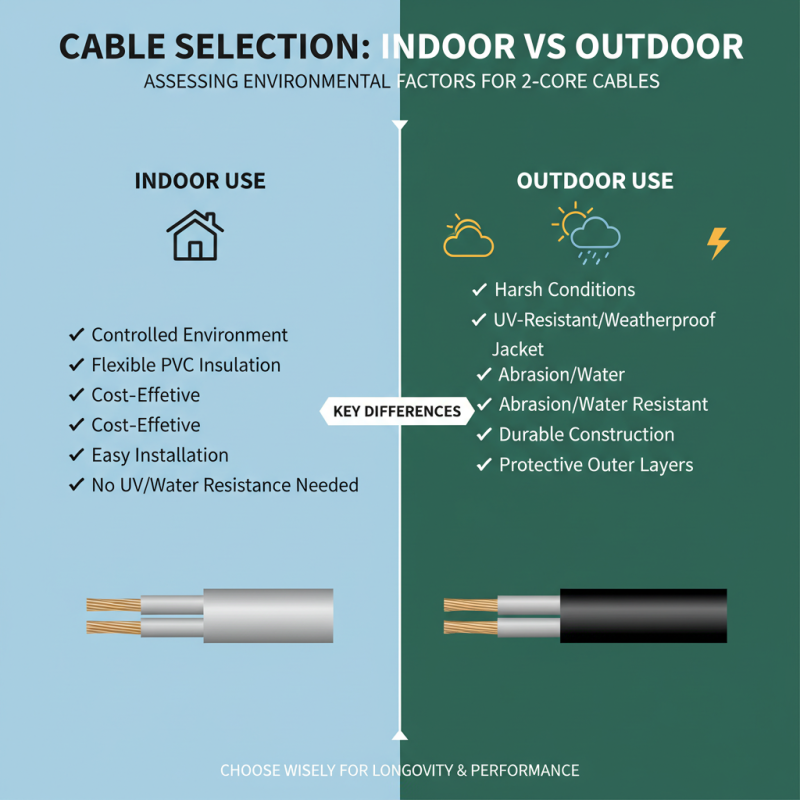
Assessing Environmental Factors: Choosing Cables for Indoor vs Outdoor Use
When selecting a 2 core cable, environmental factors are crucial. Indoor and outdoor cables differ in construction and materials. Indoor cables typically use PVC insulation that offers good flexibility and is cost-effective. However, outdoor cables must withstand harsh conditions. They often have additional layers of protection like UV-resistant coatings.
According to the International Electrotechnical Commission, about 30% of cable failures are due to environmental conditions. For outdoor use, cables resistant to moisture and temperature fluctuations are vital. Choosing a cable with a higher IP rating ensures durability. These cables often cost more but can prevent long-term hazards.
Some may overlook specific needs, leading to installations that fail. Factors such as sunlight exposure, saline environments, and extreme temperatures should influence your choice. Research suggests that cables with added water-blocking gel can significantly increase lifespan in wet conditions. Always weigh the costs against potential risks and failures. Reducing initial outlay may lead to costly replacements, a common oversight. Consider all aspects before making a decision.
Determining Installation Requirements: Length, Bend Radius, and Route Planning
Choosing the right 2 core cable requires careful consideration of various installation factors. Length is critical. Measure the distance between your power source and the device. Extra length may be needed for routing along walls or around obstacles. Always allow some margin for error. Overestimating may seem wasteful, but it avoids future complications.
Bend radius is another important aspect. Cables have a minimum bend radius to prevent damage. If the curve is too tight, it can lead to performance issues. A general rule is to avoid sharp angles. Consider the path of the cable. Navigating tight corners might require longer runs or additional connectors.
Route planning is essential for smooth installation. Identify potential obstruction areas early. Think about future access to the cable. If issues arise later, it’s important to reach the cable easily. Be mindful of the environment where the cable will be installed. Factors like heat and moisture can impact performance. Always double-check your plans before proceeding. Adjusting your approach is often necessary for a successful installation.
Comparison of 2 Core Cable Lengths and Bend Radii