How to Choose the Best Fanless Industrial Panel PC for Your Needs?
Choosing the best Fanless Industrial Panel PC can be a daunting task. These devices offer unique benefits, especially in demanding environments. They operate silently, have no moving parts, and provide excellent thermal management. Understanding your specific needs is crucial to make the right choice.
When selecting a Fanless Industrial Panel PC, consider factors like performance, size, and connectivity options. Is your application data-intensive? A powerful CPU may be necessary. Do you need multiple USB ports? Ensure the model you choose meets your requirements. The right choice enhances productivity and reliability.
Keep in mind that not all fanless models are created equal. Some may lack essential features or have limited support. It is vital to research various brands and read user reviews. This diligence aids in avoiding potential pitfalls. With careful selection, a Fanless Industrial Panel PC can significantly improve your operational efficiency.
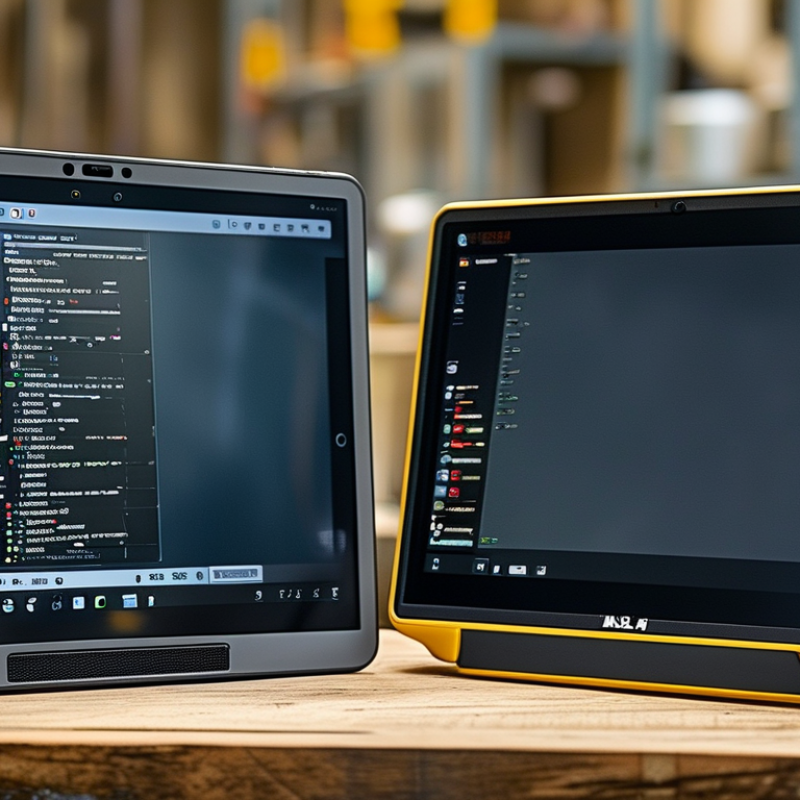
Understanding Fanless Industrial Panel PCs and Their Advantages
Fanless industrial panel PCs are designed for use in demanding environments. These devices operate without fans, which means they have fewer moving parts. This design reduces the risk of mechanical failure and increases reliability. They often feature solid-state drives and internal heat dissipation, making them quieter and more energy-efficient.
One clear advantage is their durability. Unlike standard computers, fanless models resist dust and moisture, making them suitable for factories or outdoor applications. Their compact design allows for installation in tight spaces. Users often notice a reduced need for maintenance, which can lead to cost savings over time.
However, not all fanless industrial panel PCs are equal. Some users may face performance limitations in graphics-intensive applications. Thermal management must also be considered, as overheating can still be an issue. Evaluating specific needs before purchasing is crucial. Understanding the environment and workload can help in the decision-making process.
Key Features to Consider When Choosing a Fanless Industrial Panel PC
When selecting a fanless industrial panel PC, it’s essential to focus on key features that align with your requirements. One significant aspect is the processor. Look for models equipped with robust processors, such as Intel’s i3 or i5 series. According to market research by Industry Research, these processors ensure optimal performance, especially in high-demand environments.
Another critical feature is heat dissipation technology. A fanless design effectively minimizes noise and enhances reliability. This is crucial in sectors like manufacturing where silent operation is preferred. Research indicates that fanless systems can extend the lifespan of devices by up to 30% compared to those with fans.
Tips: Check the durability ratings. The right panel should meet IP65 standards to withstand dust and moisture. Consider screen size as well; a larger display enhances usability in industrial settings.
Connectivity options are vital too. Ensure the panel PC supports USB, serial ports, and Ethernet. This versatility enables seamless integration with existing systems. According to a survey by TechMarket Insights, 78% of industrial PCs fail due to inadequate connectivity, underscoring the importance of this feature.
Evaluating the graphics capability is often overlooked. High-resolution displays can significantly improve user interaction. Users should reflect on their specific use case scenarios when assessing these features.
Assessing Performance Requirements for Your Industrial Application
When selecting a fanless industrial panel PC, performance requirements play a crucial role. Assess your specific application needs. Consider the types of tasks you will run. Will you use it for data processing, visuals, or control systems? Each application demands different processing power and graphical capabilities.
Look closely at the CPU specifications. A robust processor ensures smooth operations, especially in complex environments. RAM is also essential. Applications that require multitasking need more memory. Be mindful of the thermal management. A fanless design means passive cooling, which may limit performance under heavy loads, especially in hot settings.
Think about the longevity and reliability of your selected device. An industrial environment can be harsh. Dust, temperature variations, and humidity pose risks. Durability matters. Yet, balancing performance and durability can be tricky. You may need to compromise on one for the other. Reflect on your priorities—will speed outweigh robustness, or vice versa?
Evaluating Durability and Environmental Resistance in Panel PCs
When evaluating the durability and environmental resistance of fanless industrial panel PCs, several key factors should be considered. The casing material plays a crucial role in determining how well the device withstands harsh environments. Many models utilize rugged materials like aluminum or magnesium alloy, which provide superior resistance to impacts and corrosion. According to industry reports, panel PCs designed with these materials can last up to twice as long compared to those crafted from plastic. Robust construction not only ensures longevity but also promotes reliability in various operational environments.
Another important element is the thermal management system. Fanless designs rely on passive cooling methods to prevent overheating. This can be a double-edged sword: while it minimizes moving parts that can fail, it may also lead to underperformance in high-temperature settings. Studies show that operational efficiency may drop by 30% when devices are subjected to excessive heat. Understanding the thermal characteristics of the panel PC in relation to expected ambient conditions is vital. Additionally, certifications like IP ratings provide insight into the level of dust and water resistance. Selecting models with higher IP ratings can significantly enhance operational reliability in demanding applications.
Budget Considerations and Cost-Effectiveness of Fanless Solutions
When considering a fanless industrial panel PC, budget plays a crucial role. Industry reports indicate that manufacturing costs can vary significantly. For example, fanless PCs often range from $600 to over $2,000. This expense largely depends on specifications and durability. A good understanding of your needs can prevent overspending on unnecessary features.
Cost-effectiveness goes beyond initial pricing. Fanless solutions often reduce long-term operational costs. Research from the IPC (Industrial PC Association) suggests that fanless systems can lower energy consumption by about 30%. This is significant for industries where several units operate around the clock. Additionally, reduced maintenance needs—due to fewer moving parts—can save businesses resources over time.
However, it's important to reflect on the specific requirements of your operational environment. Not every application requires high-end specifications. In some cases, a lower-cost model may suffice. Assessing environmental factors, such as temperature extremes and dust exposure, can help determine the best fit. Balancing initial costs with long-term savings is essential for a prudent investment. Choosing wisely can lead to sustainable solutions in the long run.
Fanless Industrial Panel PC Cost-Effectiveness Comparison
This chart displays the average cost of fanless industrial panel PCs across three different categories: Entry-Level, Mid-Range, and High-End. As seen, the cost increases significantly with enhanced specifications and features in higher-end models.