How to Choose the Right Electric Cable Wire for Your Projects?
Choosing the right electric cable wire is crucial for any electrical project. According to the International Electrotechnical Commission (IEC), improper wire selection can lead to serious hazards. A report shows that more than 25% of electrical failures result from using unsuitable wire types.
Understanding the specifications of electric cable wire is key. Factors like gauge, insulation type, and temperature rating must be considered. The National Fire Protection Association (NFPA) states that poor wire choices contribute to a significant percentage of electrical fires. These wires must meet industry standards to ensure safety and reliability.
In a world driven by technology, project requirements can vary widely. A one-size-fits-all approach seldom works. Not all wires are equal, and miscalculated choices can result in project delays or failures. Being informed can make all the difference in your electrical endeavors.
Understanding Different Types of Electric Cable Wires Available
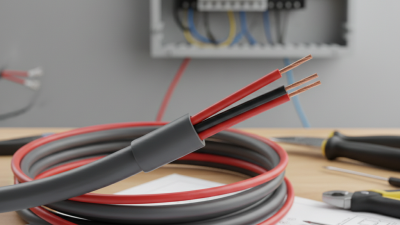
When choosing electric cable wire, understanding the types available is essential. Different projects demand specific wire types based on their characteristics. Residential uses often require Non-Metallic Sheathed Cable, commonly known as NM cable. This type is suitable for indoor work and offers excellent insulation.
For outdoor projects, consider using UF cables. These are designed to withstand moisture and harsh environments. It's crucial to match the cable type with your project's needs. Using the wrong type can lead to failures and safety hazards.
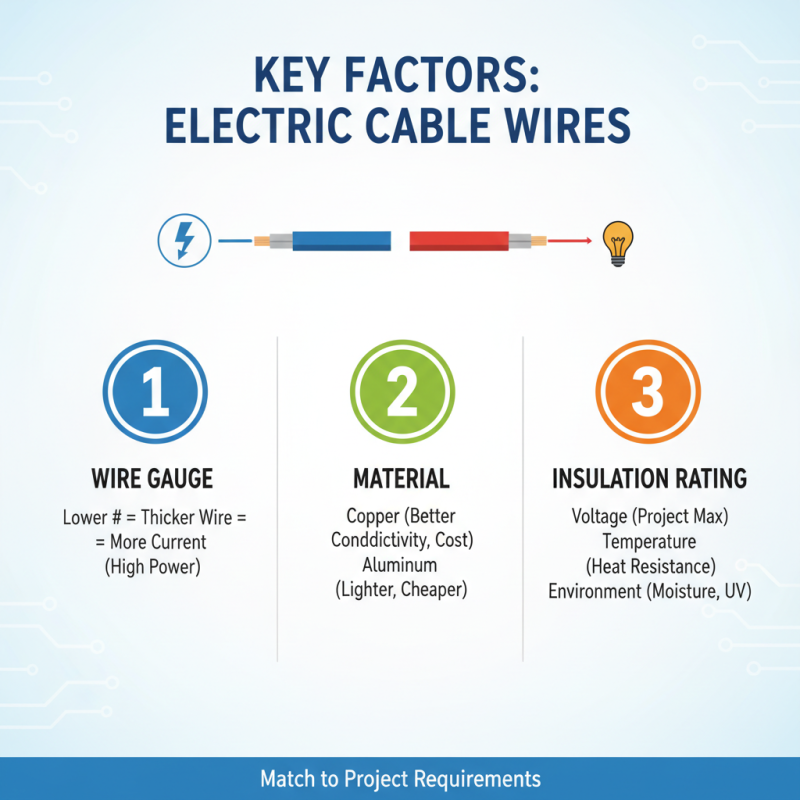
Tips: Always check the wire gauge. A lower gauge number means a thicker wire, suitable for higher electricity loads. Additionally, look into the voltage rating; it should meet or exceed your project requirements. When in doubt, consult a professional. Reassessing your wire choices can save costly mistakes down the line.
It’s easy to overlook the importance of proper insulation. Poorly insulated wires increase the risk of short circuits. Consider environmental factors, such as temperature and moisture, that may affect cable longevity. Reflect on these details to ensure safety and reliability in your projects.
Understanding Different Types of Electric Cable Wires
Key Factors to Consider When Choosing Electric Cable Wires
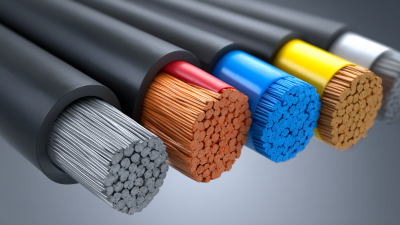
When choosing electric cable wires for your projects, several key factors deserve attention. One of the most important aspects is the wire gauge. A lower gauge number indicates thicker wires, which can handle more current. For high-power applications, thicker wires are essential. In contrast, thinner wires may suffice for low-power tasks. Understanding the current requirements of your project can help you select the right gauge.
Insulation type also plays a crucial role. The insulation material protects wires from heat, moisture, and chemicals. PVC is common, but for extreme conditions, consider options like XLPE or rubber. Environmental factors such as temperature and exposure to sunlight are vital. If the cables are installed outdoors, ensure they are UV resistant. This prevents premature degradation.
Moreover, think about the voltage ratings. Ensure the cables can support the highest voltage needed for your application. Overloading cables can lead to overheating and potential fire hazards. Testing and ensuring the wires meet safety standards cannot be overlooked. Making informed choices and understanding these details will lead to safer and more reliable electrical installations.
Assessing the Voltage and Current Requirements for Your Project
When selecting the right electric cable wire, understanding voltage and current requirements is crucial. According to a report from the National Electrical Manufacturers Association (NEMA), improper wire sizing can lead to increased energy costs and potential hazards. For instance, a wire that cannot handle the current may overheat, creating fire risks. Always ensure the cable can manage the voltage load of your specific project, whether it’s residential or industrial.
Before making a choice, calculate the total amperage your project will demand. For instance, a standard 15-amp circuit typically requires 14-gauge wire. However, thicker wires like 12-gauge may be necessary for higher amperage applications. It's vital to check if your wire can sustain the electrical load without degrading over time, which can happen if the current exceeds the wire’s capacity.
**Tip:** If unsure about the requirements, consult with a professional. Accurate measurements and wire choices can save you from future problems.
Be mindful of voltage drop, especially in longer runs. A drop over 3% can affect appliance performance. Use thicker cables for longer distances. This ensures efficiency and safety in your projects.
**Tip:** Regularly check your installations. Sometimes, signs of wear indicate undersized or damaged wiring. Address these issues promptly to prevent future complications.
How to Choose the Right Electric Cable Wire for Your Projects? - Assessing the Voltage and Current Requirements for Your Project
| Cable Type |
Voltage Rating (V) |
Current Rating (A) |
Recommended Applications |
| THHN/THWN |
600 |
15-30 |
Indoor/Outdoor wiring, conduit systems |
| Romex |
600 |
15-20 |
Residential wiring in walls |
| UF-B |
600 |
15-30 |
Underground feeder applications |
| MC Cable |
600 |
20-30 |
Branch circuits in commercial buildings |
| Flexible Cord |
300 |
15-20 |
Portable devices, appliance connections |
Selecting Appropriate Insulation Materials for Electric Cables
Selecting the right insulation materials is crucial for electric cables. Insulation protects wires from environmental elements and ensures safety and efficiency. It determines how well cables perform under various conditions. Choosing the right type can prevent overheating and electrical failures.
When considering insulation, think about the application. For outdoor projects, materials like PVC and rubber offer excellent protection against moisture and UV rays. For indoor uses, thermoplastic and thermoset materials may suffice. Each material has its unique properties, so understanding them is key.
Tip: Always check the temperature rating of your insulation. It should exceed the expected operating temperature.
Reflect on your specific needs. Sometimes, the most common material may not be the best choice. Consider factors like flexibility and durability. An unsuitable insulation type can lead to premature failure.
Tip: Examine the cable's installation environment. Extreme temperatures or exposure to chemicals can affect performance.
In summary, thorough research on insulation types will lead to safer, more reliable projects. Make an informed choice to ensure the long-term success of your electrical work.
Safety Standards and Regulations for Electric Cable Selection
When selecting electric cables, understanding safety standards is crucial. Organizations like the National Electrical Code (NEC) and Underwriters Laboratories (UL) set guidelines to ensure safety. These regulations help avoid electrical hazards like short circuits and fires. According to the National Fire Protection Association (NFPA), electrical failures are a leading cause of home fires, accounting for nearly 13% of total fire incidents. Adhering to safety standards minimizes this risk significantly.
Different projects require different cables. Factors include voltage ratings, insulation types, and environmental considerations. For instance, ambient temperature can affect cable performance. A report from the International Electrotechnical Commission (IEC) emphasizes that cable selection must align with local climate conditions to prevent overheating or failure. Properly rated cables not only enhance safety but also improve system resilience.
Ignoring regulations can lead to dire consequences. For example, using under-rated cables may result in overheating, which degrades performance and lifespan. Sadly, many overlook the importance of proper installation techniques and materials. Insufficient awareness about safe practices can diminish the efficacy of even the best cables. Therefore, prioritizing safety standards is essential in choosing the right electric cable for any project.